Airway Remodeling and Inflammation in Asthma
A Complex Interplay
Keywords:
Asthma, Airway Remodeling, InflammationAbstract
Asthma, a chronic inflammatory disorder of the airways, involves a complex interplay between airway inflammation and airway remodeling. While both processes are well-documented, a more nuanced understanding of how they interconnect offers valuable insights for potential novel treatments. Unlike the more traditional perspectives that view inflammation as the primary driver of remodeling, recent studies suggest that airway remodeling can occur independently of inflammation and may itself be an initiator of immune responses. This paradigm shift prompts a reconsideration of how these processes interact and what this means for the treatment of asthma.
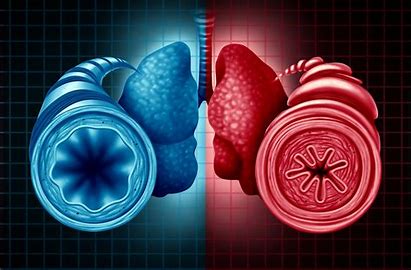
Asthma is generally characterized by wheezing, chest tightness, and coughing, which result from airflow obstruction and bronchial hyperresponsiveness. It has long been recognized that inflammation is at the core of these symptoms. Various immune cells, including eosinophils, T-helper 2 (Th2) lymphocytes, and innate immune cells, release pro-inflammatory mediators, which damage the airway epithelium and perpetuate inflammation. This leads to airway hyperresponsiveness and contributes to the remodeling process, which involves permanent structural changes in the airways. Interestingly, recent evidence suggests that airway remodeling is not merely a consequence of inflammation but may occur concurrently or even before significant inflammatory changes are detectable. Airway remodeling refers to changes such as epithelial cell damage, subepithelial fibrosis, smooth muscle hypertrophy and hyperplasia, and increased vascularity. These structural alterations contribute to the chronicity and severity of asthma, affecting lung function in a way that often resists conventional anti-inflammatory treatment.
One unique perspective is the role of epithelial-mesenchymal transition (EMT) in asthma. EMT, a process by which epithelial cells lose their differentiated characteristics and gain mesenchymal properties, has been increasingly recognized in chronic airway diseases, including asthma. In the asthmatic airway, chronic epithelial injury due to repeated exposure to allergens and pollutants may lead to EMT, which contributes to fibrosis and airway remodeling. EMT can be both a driver and a consequence of inflammation, highlighting a bidirectional relationship. Epithelial cells undergoing EMT can release chemokines and cytokines that recruit immune cells, thereby perpetuating inflammation and exacerbating airway remodeling. This mutual reinforcement suggests that therapies targeting EMT could have a dual effect in mitigating both remodeling and inflammation. Another emerging concept in airway remodeling is the role of airway smooth muscle (ASM) beyond its traditional function as an effector of bronchoconstriction. ASM cells, which undergo hypertrophy and hyperplasia in asthma, are increasingly recognized as active contributors to the inflammatory milieu. ASM cells can produce cytokines, chemokines, and growth factors that interact with immune cells and exacerbate inflammation. Thus, the ASM is not merely a passive responder to inflammation but plays an active role in the chronic inflammatory environment. Targeting ASM signaling pathways that are involved in both contraction and the release of pro-inflammatory mediators may offer a novel approach to asthma management. Fibrosis, characterized by the accumulation of extracellular matrix (ECM) proteins such as collagen beneath the epithelial basement membrane, is a hallmark of airway remodeling in asthma. Traditionally, subepithelial fibrosis was viewed as a downstream consequence of chronic inflammation, primarily driven by cytokines such as transforming growth factor-β (TGF-β). However, more recent findings indicate that fibrosis can develop independently of classic eosinophilic inflammation, suggesting that remodeling may be regulated by non-inflammatory pathways as well. For instance, mechanical forces generated by bronchoconstriction could activate fibrotic pathways in ASM and fibroblasts, leading to ECM deposition. This perspective challenges the conventional reliance on anti-inflammatory treatment alone and underscores the need for antifibrotic therapies. Angiogenesis, or the formation of new blood vessels, also plays a significant role in airway remodeling. Increased vascularity within the airway wall leads to edema and further narrowing of the airway lumen, exacerbating airflow limitation. Vascular endothelial growth factor (VEGF) is a critical mediator of angiogenesis, and its levels are elevated in asthma. Interestingly, studies have demonstrated that anti-inflammatory treatments, such as corticosteroids, do not always effectively reduce VEGF levels, suggesting that angiogenesis may be regulated by pathways independent of those targeted by standard anti-inflammatory drugs. Therefore, anti-angiogenic agents may have potential as adjunctive therapies in asthma to address this aspect of remodeling.
The bidirectional relationship between airway inflammation and remodeling suggests that these processes cannot be considered independently. For example, remodeling changes such as ASM hypertrophy can contribute to enhanced airway hyperresponsiveness, leading to increased release of pro-inflammatory mediators from ASM cells. Additionally, epithelial damage, a key component of remodeling, results in the release of "alarmins" such as IL-25, IL-33, and thymic stromal lymphopoietin (TSLP), which activate dendritic cells and innate lymphoid cells, perpetuating type 2 inflammation. This creates a self-reinforcing loop that makes asthma a persistent and difficult-to-control condition. Given the interconnected nature of inflammation and remodeling, combination therapies that target both processes simultaneously may be more effective for long-term asthma control. For instance, biologics targeting Th2 cytokines, such as IL-4, IL-5, and IL-13, have shown promise in reducing both inflammation and remodeling in asthma patients. However, their efficacy in reversing established remodeling remains uncertain. Bronchial thermoplasty, a non-pharmacologic intervention that uses thermal energy to reduce ASM mass, offers another approach to targeting airway remodeling directly. Although bronchial thermoplasty has shown benefits in reducing asthma exacerbations and improving quality of life, it is not universally effective, and its mechanism of action is still being elucidated. The interplay between airway remodeling and inflammation in asthma challenges the traditional view that inflammation is solely responsible for disease progression. The recognition that remodeling can occur independently of inflammation and may itself be a driver of immune responses suggests that targeting structural changes in the airway is crucial for effective asthma management. Therapeutic approaches that address both inflammation and remodeling—including targeting EMT, ASM, fibrosis, and angiogenesis—offer the potential for more comprehensive asthma control and improved outcomes for patients with severe or treatment-resistant disease.
Future research should focus on elucidating the molecular mechanisms that link inflammation and remodeling and identifying biomarkers that can predict which patients are most likely to benefit from specific interventions. A deeper understanding of the interdependent relationship between these processes may pave the way for personalized treatment strategies that can effectively break the cycle of inflammation and remodeling, ultimately leading to better management of asthma.
Published
Issue
Section
License
Articles are published under a CC Attribution-Non-Commercial-No-Derivatives 4.0 Licence.