Current status and prospect in atrial fibrillation
Keywords:
Stroke, Atrial fibrillation, Rhythm controlAbstract
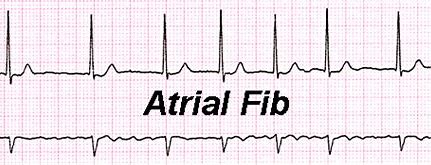
Atrial fibrillation (AF) is the most common tachyarrhythmia and significantly increases the risk of death, stroke, heart failure, cognitive impairment, and dementia. The prevalence of AF increases with age and is 5.4% and 4.9% in men and women over 75 years of age. Electrocardiograms are used as the gold standard in the diagnosis of AF, however it is not always readily available. Wearable devices have greatly improved the diagnosis of AF by providing continuous, non-invasive heart rhythm monitoring. The management of AF is a "CARE" model, including the comorbidities and risk factor management, avoiding stroke and thromboembolism, reducing symptoms by rate and rhythm control, evaluation and dynamic reassessment (Gelder et al.,2024).
Mechanism study of AF
Current understanding shows that atrial fibrosis, atrial electrical remodeling, autonomic nervous system (ANS) imbalance, epicardial adipose tissue, chronic inflammation and other factors have important effects on the pathogenesis of AF, but the exact mechanism of AF is still not completely clear, and is still the focus of research at this stage.
Complications and risk factors management
A variety of risk factors can increase the susceptibility to AF and promote the occurrence and maintenance of AF. Patients with AF should be evaluated for cardiovascular risk factors and comorbidities, including obesity, inappropriate exercise, alcohol consumption, smoking, diabetes, hypertension, and obstructive sleep apnea syndrome. Therefore, AF patients should carry out weight control, reasonable exercise, reduce alcohol consumption, quit smoking and other lifestyle improvements, and strictly control blood pressure. In diabetic patients with AF, SGLT-2i reduces the risk of new AF and recurrence after ablation. In addition to the above risk factors, new risk factors will also increase the risk of new onset and recurrence of AF, including hyperhomocysteinemia, hyperuricemia, hypoalbuminemia, etc. It is also important to seek new intervention methods for the prevention and treatment of AF (Yang& Chung, 2023).
Stroke prevention
The harm of AF is mainly related to the increased risk of thromboembolism and heart failure, and the incidence of stroke and systemic embolism is 5 times that of the general population, so anticoagulation therapy is particularly important. In terms of anticoagulant treatment, the oral anticoagulant drugs used include warfarin and direct oral anticoagulants (DOACs). Currently, there are 4 kinds of DOACs in the world, including dabigatrun, rivaroxaban, apoxaban and edoxaban. Currently in the research phase, Factor XIa inhibitors are theoretically capable of reducing the bleeding risks associated with anticoagulant therapy, potentially significantly enhancing the safety, and the corresponding clinical random trials will provide new powerful evidence (Piccinil et al.,2024). In clinical trials compared with warfarin, DOAC was no worse than or better than warfarin in preventing ischemic stroke and systemic embolization, and the risk of intracranial hemorrhage was significantly reduced.
In some patients who cannot use anticoagulants due to contraindications, percutaneous left atrial appendage closure (LAAC) may be an alternative or complementary treatment. However, this strategy requires a period of anti-platelet or anticoagulant therapy after procedure and also carries the risk of bleeding in the brain. In view of intraoperative risks, postoperative device-related thrombosis and residual leakage, the main guidelines currently recommend LAAC for patients with contraindicated anticoagulation therapy. Large-scale clinical studies comparing LAAC and DOAC are still underway, and new research results are expected to guide clinical practice (Mills et al., 2024; Waranugraha et al., 2024).
Rhythm and rate control
Safe and effective rhythm control is an ideal strategy for AF treatment. At present, antiarrhythmic drugs (AADs) and catheter ablation are the main methods of rhythm control. Compared with AADs, catheter ablation significantly reduces the risk of AF recurrence and cardiovascular hospitalization. In particular, as a first-line treatment for paroxysmal AF, catheter ablation has shown considerable advantages. In terms of ablation strategies, pulmonary veins are the most common source of ectopic electrical activity to trigger AF, and achieving pulmonary vein electrical isolation (PVI) should be the basis for catheter ablation of AF. For persistent AF, the success rate of PVI alone is lower. Currently, different centers combined additional ablation strategies based on PVI, including linear ablation, matrix modification (complex disruptive potential ablation), rotor ablation, posterior wall isolation, ablation of external pulmonary vein triggering focus, and left atrial appendage isolation, etc. However, the effectiveness of these ablation strategies remained controversial. Marshall intravenous anhydrous alcohol ablation can improve the mitral isthmus block rate and significantly improve the success rate of ablation of persistent AF. In terms of energy sources for ablation, radiofrequency ablation and cryoballoon ablation had similar safety and efficacy in studies with PVI as the end point of ablation. Pulsed electric field ablation can selectively act on cardiomyocytes in theory, but has little effect on adjacent tissues such as blood vessels, nerves and esophagus. A number of clinical studies have shown that it has good safety and efficacy. However, the potential adverse effects of pulsed electric field ablation, such as the risk of intraoperative anesthesia, coronary artery spasm, asymptomatic brain injury, and tracheal injury, need to be further evaluated and understood (Natale et al.,2024).
For patients with long-standing persistent and permanent AF, when the potential benefits of maintaining sinus rhythm are outweighed by the risks or it becomes impossible to maintain sinus rhythm, a rate control approach should be pursued to alleviate patient symptoms. For patients who cannot control ventricular rate with drugs, atrioventricular node ablation combined with cardiac resynchronization therapy or physiological pacing is a reasonable choice (Su et al., 2020).
Dynamic assessment
Regular review is very important for the prognosis of patients with AF, including regular ECG, blood tests, cardiac imaging, holter ECG, and other necessary imaging tests. This includes the assessment of existing and new risk factors and comorbidities, the re-stratification of stroke and thromboembolism risk, the examination of AF symptoms before and after treatment, the assessment and management of modifiable risk factors, and the development of treatment strategies through assessment at each stage.
Conclusion
AF is a major medical problem and its complex pathophysiological mechanism has become an important factor that puzzles the treatment. The integration of wearable devices, next-generation novel anticoagulants, catheter ablation strategies and new technologies of energy with interventional treatments such as LAAC has the potential to change the management strategy of AF. Research efforts should continue to unravel the mysteries surrounding AF and improve patient outcomes.
Published
Issue
Section
License
Articles are published under a CC Attribution-Non-Commercial-No-Derivatives 4.0 Licence.